
• Capital City Roofing

Frequently Asked Questions

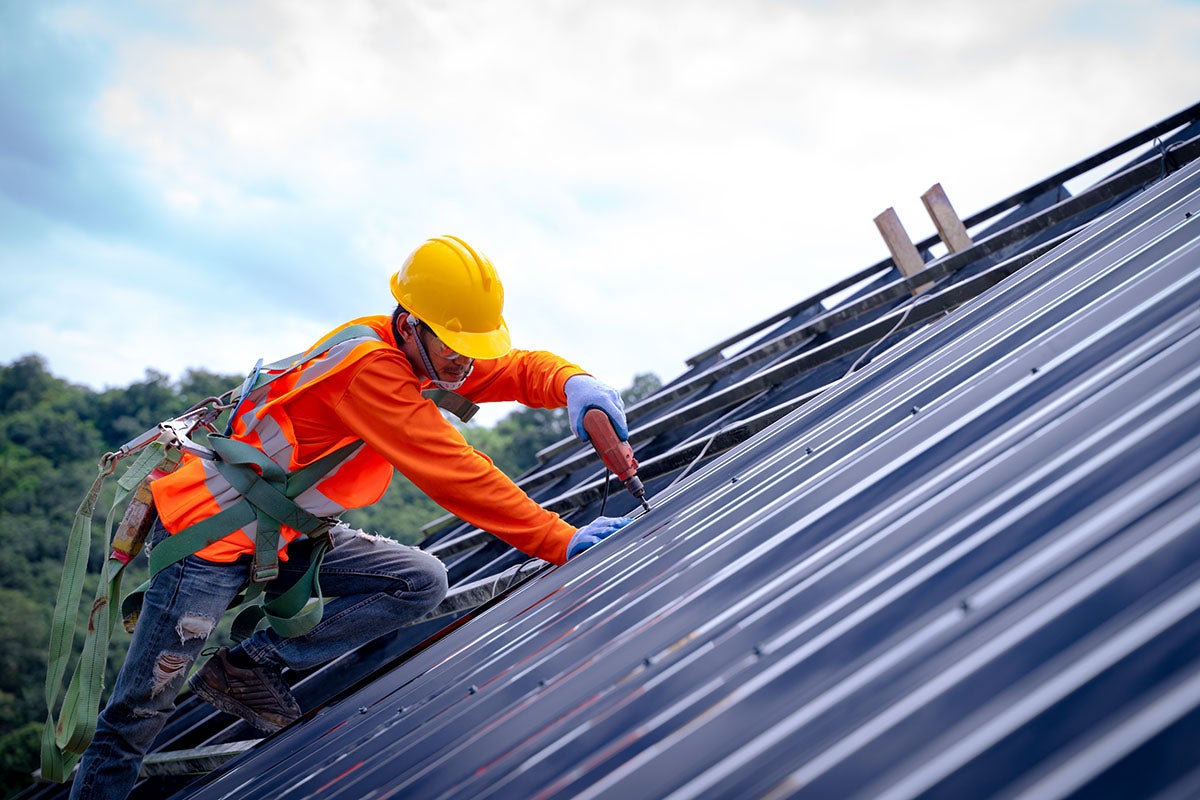
Worker in hardhat and safety harness installing solar panels on a rooftop with a drill.

Roofing and Exterior Services FAQ

Answers to Common Roofing and Exterior Service Questions

Your roof, gutters, and exterior components work together to protect your home from the elements year-round. For homeowners in Raleigh and Knightdale, that means dealing with everything from summer heat and humidity to heavy fall storms that can take a toll on even well-maintained roofing systems. At Capital City Roofing, we hear the same questions from homeowners week after week — questions about when to repair versus replace, what a maintenance plan actually covers, and how gutters and exterior components fit into the bigger picture of home protection.

Whether you're in Cary, Apex, or right here in Wendell where we're based, understanding your roofing system helps you make smarter decisions before small problems become expensive ones. Homeowners in Durham, Garner, Wake Forest, and Chapel Hill face similar concerns about aging roofs, storm damage, and long-term property preservation. This FAQ page is designed to give you straightforward, honest answers so you feel confident going into any conversation about your home's exterior.
Frequently Asked Questions

Roof Replacement FAQs

Age is one of the biggest factors. Most asphalt shingle roofs have a lifespan of 20 to 30 years, depending on the quality of materials and how well they've been maintained. If your roof is approaching or past that range, it's worth having a professional take a look — even if things appear fine from the ground.

Beyond age, there are several visible warning signs. Shingles that are curling at the edges, buckling in the middle, or missing altogether signal that the roof's protective layer has broken down. Granule loss is another red flag — if you're finding dark, gritty granules collecting in your gutters or downspout splash areas, your shingles are deteriorating.

Recurring repairs are also a telling sign. If you've had the same section of roof patched two or three times over the past few years, the underlying issue may be more widespread than a simple repair can address. Storm damage — particularly after severe wind or hail events common in the Raleigh and Wake Forest area — can accelerate deterioration even on newer roofs.

Interior signs matter too. Water stains on ceilings or walls, daylight visible through attic boards, or a sagging roofline are all indicators that replacement may be the most practical path forward.

Most residential roof replacements can be completed in one to two days. The actual timeline depends on several factors: the size and pitch of your roof, the materials being installed, and the weather conditions at the time of the project.

A straightforward single-story home with a moderate-pitch roof and standard architectural shingles is typically a one-day job for an experienced crew. Larger homes, steeper pitches, or roofs with multiple valleys, dormers, and penetrations require more time and more careful work around flashing and transitions.

Material selection plays a role as well. Architectural shingles are the most common choice and install efficiently. Metal roofing or specialty products may require additional time for proper installation and seaming. Your contractor should walk you through the expected timeline before work begins.

Weather is always a consideration here in North Carolina. Rain or high winds can delay installation, so most reputable contractors will schedule forecasts and pause work if conditions become unsafe or could compromise the quality of the installation.

Roof Repair FAQs

Leaks are the most reported issue, and they don't always originate from where they appear inside the home. Water can travel along rafters and sheathing before showing up as a ceiling stain, which is why accurate diagnosis matters more than just patching the obvious spot.

Damaged or missing shingles are also extremely common, especially after storms. High winds can lift shingle edges or tear them off entirely, leaving the underlying decking exposed. Even a small, exposed area can let moisture in quickly.

Flashing failures account for a significant number of roof leaks as well. Flashing is the metal material installed around chimneys, skylights, vents, and roof-to-wall transitions. Over time, it can corrode, pull away from the surface, or develop gaps where caulking has dried and cracked. These areas are particularly vulnerable and are often the first place to check when a leak develops.

Storm-related debris damage is something many homeowners in the Garner and Knightdale areas are familiar with. Falling branches or impact from hail can crack or dislodge shingles, compress the granule surface, or dent metal flashing. Even if the damage looks cosmetic, it's worth having it evaluated before the next rain.

Absolutely, and the progression tends to happen faster than most homeowners expect. A small leak or a handful of damaged shingles might seem manageable, but moisture doesn't stay contained. Once water penetrates the roofing system, it can saturate the underlayment, seep into the roof decking, and eventually reach the insulation and framing below.

Wood rot is a serious consequence of prolonged moisture exposure. Once decking or structural framing begins to rot, the scope and cost of repairs increase significantly. What might have been a straightforward shingle repair can turn into a full deck replacement if the damage is allowed to spread.

There are also concerns beyond the roof itself. Moisture that reaches interior wall cavities or attic spaces creates conditions favorable for mold growth, which carries its own set of health and remediation concerns. Insulation that becomes wet loses its effectiveness, leading to higher energy bills over time.

The repair-cost comparison is stark. Addressing a minor flashing issue or a few damaged shingles early typically costs a fraction of what a homeowner faces once structural damage has set in. Scheduling a professional inspection at the first sign of trouble is always the smarter financial decision.

Maintenance Agreement FAQs

A maintenance agreement is essentially a proactive care plan for your roofing system. Rather than waiting for something to go wrong, regular maintenance involves scheduled inspections that assess the condition of your shingles, flashing, gutters, ridge caps, and other components.

During a maintenance visit, a qualified roofer will look for early-stage deterioration that isn't yet visible from the ground — things like minor flashing separation, small areas of granule loss, or early signs of ponding around roof penetrations. These findings get documented, giving you a clear picture of your roof's condition over time.

Preventative maintenance often includes minor adjustments or repairs as part of the service, catching issues before they develop into something that requires significant work. Having a consistent maintenance history also provides valuable documentation if you ever need to file an insurance claim or decide to sell your home.

For homeowners in Apex, Chapel Hill, or anywhere else in the Triangle area, a maintenance agreement offers peace of mind, especially heading into storm season when the roof takes the most abuse.

Think of annual maintenance the same way you think about servicing your HVAC system or getting an oil change. Roofs don't typically fail all at once. They degrade gradually, and catching that progression early is what separates a manageable repair from a full replacement years ahead of schedule.

Regular maintenance extends the functional life of your roofing system. A roof that receives consistent attention and minor repairs as needed can often last significantly longer than the same roof that goes years without inspection. That translates directly to money saved on premature replacement.

There's also the performance factor to consider. A well-maintained roof keeps your home properly insulated and protected from moisture. When small gaps, lifted shingles, or blocked ventilation go unaddressed, they quietly affect your home's energy efficiency and indoor comfort. Consistent maintenance keeps the system performing at the level it was designed for, year after year.

Gutter Replacement FAQs

Gutters have a long service life, but they don't last forever. One of the most obvious signs of failure is visible sagging. Gutters that pull away from the fascia board or sag between hangers can no longer channel water properly, which means runoff ends up flowing behind the gutter or pooling near the foundation.

Leaking at seams is another common indicator. Sectional gutters rely on sealed joints, and those seals deteriorate over time. If you notice water dripping or streaming from mid-gutter sections during rain, the seams have likely failed.

Rust or visible holes are signs that the metal has broken down and the gutter is no longer structurally sound in those areas. Painted gutters that show peeling or bubbling may be hiding early-stage corrosion underneath.

Improper drainage, such as water overflowing the front lip of the gutter during moderate rain, may indicate that the system is undersized for your roofline or that the pitch is off. In some cases, gutters that appear intact may still be directing water in the wrong direction due to an improper slope, which calls for a full replacement rather than a repair.

Gutters do considerably more work than most homeowners realize. Their primary job is to collect rainwater runoff from the roof and channel it away from the structure, but the implications of that simple function extend to nearly every part of your home's exterior and foundation.

Without functioning gutters, water cascades directly off the roofline and hits the ground at the base of your home. Over time, that concentrated water flow can erode the soil around your foundation, create hydrostatic pressure against basement or crawlspace walls, and lead to settling or cracking. In North Carolina's clay-heavy soils, this kind of water saturation can be particularly damaging.

Gutters also protect your siding and exterior walls. Water that runs down the side of a home rather than being channeled away can saturate wood siding, stain masonry, and create entry points for moisture behind your exterior cladding. Well-functioning gutters keep that water moving in the right direction.

Fascia boards, the trim pieces that gutters mount to, are especially vulnerable when gutters fail. When water backs up or overflows consistently, it saturates the fascia and leads to rot that can eventually compromise the structural edge of the roofline itself.

Exterior Services FAQs

The roof gets most of the attention, but several other exterior components play an equally important role in protecting your home. Fascia and soffits are the horizontal and vertical boards that close off the roof's lower edge and overhang. They're exposed to weather and moisture, and when they begin to rot or separate, they create gaps that can allow water intrusion and pest access into the attic.

Siding, whether vinyl, fiber cement, or wood, should be examined for cracks, separation, or areas where the caulk has dried out and pulled away from trim. Even small gaps in siding can allow water behind the cladding, leading to moisture damage in the wall assembly over time.

Drainage areas around the perimeter of your home matter too. Window wells, downspout extensions, and any areas where soil has settled against the foundation should be assessed periodically to ensure water flows away from the structure rather than toward it.

For homeowners in Durham and Wake Forest, where seasonal storms are a regular part of life, an annual exterior walkthrough, ideally before and after storm season, is a practical way to catch developing issues before they escalate.

Roofing and exterior components don't function independently. They work as a system, and deficiencies in one area often affect the performance of the others.

Proper attic ventilation is a good example. Soffit vents allow fresh air into the attic, while ridge vents allow hot air to escape. If soffits are blocked or damaged, that airflow is disrupted, and poor attic ventilation leads to heat and moisture buildup that accelerates shingle deterioration from the underside. A roofing system installed over a poorly ventilated attic will not achieve its full expected lifespan.

Moisture control is another area where exterior services directly impact roofing health. Damaged siding or deteriorated flashing around windows and doors allows water to enter the wall system, where it can travel to the roof sheathing. Addressing those exterior vulnerabilities reduces the moisture load on the roofing system overall.

Drainage performance ties everything together. Gutters that don't function correctly allow water to back up under the roofline, saturate fascia boards, and ultimately compromise the structural edge of the roof. Keeping gutters clean and properly pitched, replacing damaged downspouts, and ensuring water moves away from the structure efficiently protects the roofing system as much as it protects the foundation.

Speak With Capital City Roofing

If you have questions about your roof, gutters, or exterior components, the team at Capital City Roofing is here to help. We work with homeowners throughout Raleigh, Cary, and Knightdale, as well as Durham, Apex, and our home base of Wendell. We also serve Chapel Hill, Garner, and Wake Forest — and anywhere across the Triangle.

Whether you're dealing with a specific repair concern, thinking about a roof replacement, or simply want to know what shape your roof is heading into storm season, we're happy to have that conversation. No pressure, no obligation — just honest information from a team that takes pride in its work.

Call us at 919-366-1850 to schedule a consultation or request a free estimate. We'll walk you through your options and help you make the right decision for your home.